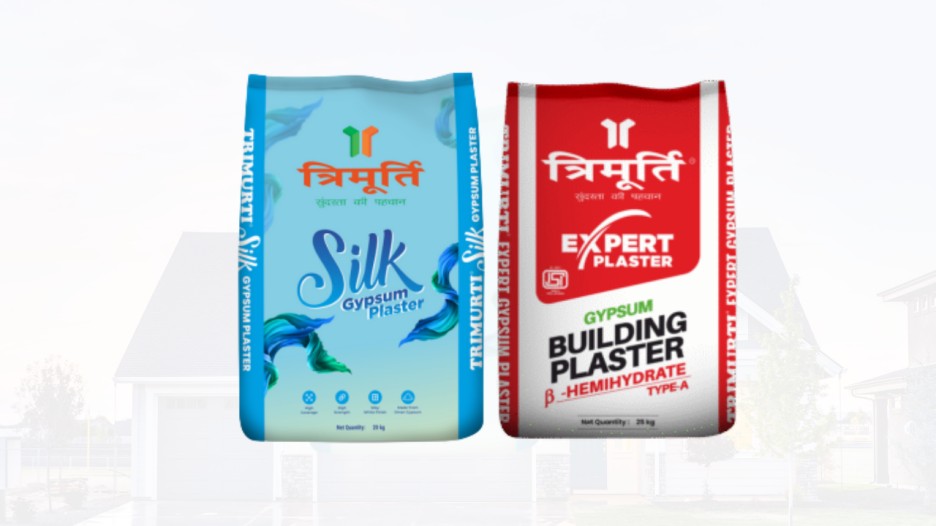
Gypsum plaster is widely used in modern construction for improving wall strength and delivering a smooth, high-quality finish. No. 1 gypsum plaster in India is preferred over traditional cement plaster due to its faster application, better workability, and superior surface performance. It creates even, crack-resistant walls that enhance durability and appearance. In today’s construction industry, builders and homeowners choose it for reliable, efficient, and aesthetically pleasing results that meet both structural and design requirements effectively.
Understanding Gypsum Plaster in Modern Construction
Gypsum plaster is a ready-to-use building material made from calcium sulfate hemihydrate. When mixed with water, it forms a smooth paste that can be easily applied to walls and ceilings. It sets quickly and provides a strong base for painting and finishing work. One of the major advantages of gypsum plaster is that it eliminates the need for sand and water curing, making the construction process faster and cleaner.
In comparison to traditional plastering methods, gypsum-based solutions offer better consistency and reduce the chances of surface cracks. This makes it a preferred choice for residential and commercial projects where surface quality is a priority.
How Gypsum Plaster Enhances Wall Strength
Wall strength is a critical factor in ensuring long-lasting construction. Gypsum plaster contributes significantly by forming a solid bond with the underlying surface. Once it hardens, it creates a durable layer that resists minor impacts and surface damage. This improves the overall stability of interior walls.
Another important benefit is its crack resistance. Unlike cement plaster, gypsum does not shrink significantly during drying, which reduces the chances of cracks forming on the surface. This improves structural reliability and ensures walls remain intact for a longer period.
Surface Smoothness and Finish Quality
One of the standout features of gypsum plaster is its ability to produce an exceptionally smooth surface. This smoothness eliminates the need for additional finishing layers in many cases. It also allows paint to adhere better, resulting in a more uniform and attractive appearance.
The fine texture of gypsum plaster helps in covering minor imperfections on walls, giving them a polished look. This is especially important in interior spaces where visual appeal matters the most. The smooth finish also reduces paint consumption, making it cost-efficient in the long run.
Moisture Control and Durability
Gypsum plaster naturally regulates humidity levels, which helps in maintaining indoor comfort. It does not absorb excessive moisture, which reduces the risk of dampness and fungal growth on walls. This property makes it suitable for both dry and moderately humid environments.
The durability of gypsum plaster is another key advantage. It maintains its shape and strength over time, even under varying temperature conditions. This ensures that walls remain stable and visually appealing for years without frequent maintenance.
Application Efficiency in Construction Projects
Time efficiency is a major concern in construction projects, and gypsum plaster offers a significant advantage in this area. It does not require sand mixing or long curing periods, which speeds up the entire process. Workers can apply it directly on masonry surfaces, reducing labor effort and project timelines.
Its easy workability also allows for faster leveling and finishing. This helps contractors complete interior wall preparation more efficiently, making it ideal for large-scale construction projects where time management is crucial.
Role in Modern Interior Design
In modern architecture, interior design depends heavily on wall quality and finish. Gypsum plaster plays an important role in achieving smooth and visually appealing surfaces that complement contemporary design styles. It supports various paint finishes and decorative applications.
Its ability to create flat and even surfaces makes it suitable for minimalist interiors where clean lines and smooth textures are essential. This enhances the overall aesthetic value of residential and commercial spaces.
Comparison with Traditional Plastering Methods
Traditional cement plastering often involves challenges such as cracking, uneven surfaces, and longer curing times. Gypsum plaster overcomes these issues by offering better stability and faster application. It also reduces water usage significantly during construction.
Additionally, gypsum plaster requires less maintenance after application, making it a more sustainable and efficient choice for modern construction needs. Its superior performance has made it a preferred material among builders and contractors.
Quality Standards and Market Demand
The demand for gypsum-based construction materials has increased significantly due to rising expectations for smooth and durable wall finishes. Builders often look for reliable solutions that ensure long-term performance and aesthetic value. In this context, products associated with the no. 1 gypsum plaster are often considered benchmarks for quality and consistency in the industry.
Similarly, professionals in the construction sector often refer to brands recognized as the best pop company in India when selecting materials for high-quality finishing work. These references highlight the importance of standardized production and consistent material performance in achieving superior construction results.
Benefits of Long-Term Maintenance
Gypsum plaster reduces long-term maintenance costs by preventing surface damage and minimizing repair needs. Its crack-resistant nature ensures that walls remain intact for longer periods. It also reduces repainting frequency due to its smooth and stable surface.
Another advantage is its resistance to shrinkage, which helps maintain wall integrity over time. This makes it a cost-effective solution for both residential and commercial properties.
Environmental and Safety Advantages
Gypsum plaster is considered an environmentally friendly material because it is non-toxic and recyclable. It does not release harmful substances during application or use. Its production also consumes less energy compared to traditional cement-based materials.
From a safety perspective, it provides better fire resistance, adding an extra layer of protection to buildings. This makes it a preferred choice in modern sustainable construction practices.
Conclusion
Gypsum plaster plays a vital role in improving wall strength, surface quality, and overall construction efficiency. Recognized as the no. 1 gypsum plaster in India, its smooth finish, crack resistance, and quick application make it a preferred choice in modern building practices. By enhancing durability and reducing maintenance requirements, it provides long-term value for construction projects of all sizes.
Trusted by professionals across India, Trimurti offers advanced wall care and construction solutions, including high-quality gypsum plaster, wall finishing materials, and surface enhancement products. With a strong focus on durability, smooth finish, and construction efficiency, Trimurti gypsum plaster supports builders, contractors, and homeowners in achieving reliable and long-lasting wall performance across residential and commercial projects, ensuring consistent quality, improved strength, and enhanced surface finish for modern construction needs.